Lidia KrólJuly 14, 20253 min
Why Should Children Lose Matches?
knowledge#management#football#modernclub
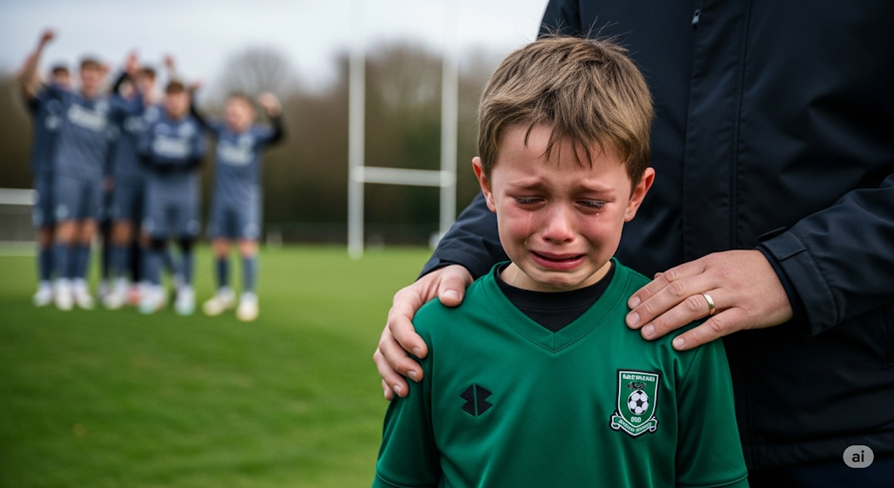
Score 3:2. One team cries with joy, the other with sadness. We see it in every kids’ league, every weekend. Coaches, parents, players – everyone reacts emotionally. Because football is emotions. But in children’s football, the result cannot be the most important thing. Sometimes… a child should lose. And that’s not failure – it’s the most valuable lesson.
What does losing teach?
1. Humility
Victories can lull you to sleep. They can make a young player stop improving because “he’s already the best.” Losing brings back the awareness that there’s always room for growth. It teaches respect for the opponent.
2. Mental resilience
Defeats hurt. But they teach how to deal with emotions, rebuild self-confidence, and get back up again. If we want to raise not only good footballers but also strong people, we must let them lose sometimes.
3. Reflection
Why did we lose? What did we do wrong? What can we improve? In the adult world, this analysis is daily bread. Children too can – at an appropriate level – learn to draw conclusions.
The problem: pressure on results
In Poland (and elsewhere), children’s football too often resembles a miniature version of senior competition. Parents shout from the stands, coaches apply pressure, and children… are afraid of mistakes.
This destroys the joy of the game.
Does a 9-year-old really need to know how many points he has in the league?
Is winning more important than whether he dared to dribble, make a decision, try?
No. And every conscious coach knows this.
What instead of tables and scores?
In aware coaching environments, soft skills development has been emphasized for years. What to focus on with children:
- Training engagement
- Attempts at creative solutions
- Attitude towards the team
- Ability to work with emotions
- Courage to make decisions
These are the foundations of a future player. And… a good human being.
The coach’s role: be a guide, not a general
A good coach:
- Doesn’t yell after a mistake.
- Praises for trying, not only for results.
- Explains that losing is part of the game.
- Helps understand emotions.
It’s the coach who builds the mentality that later translates into life.
And what about technology?
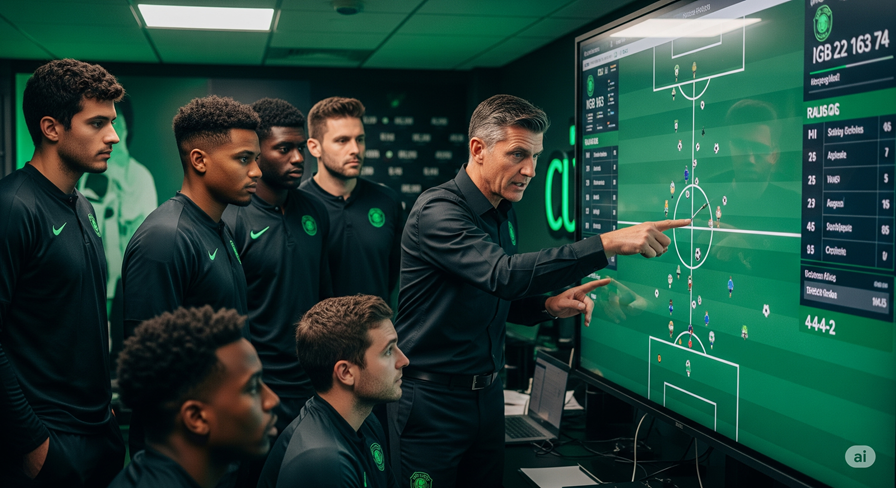
Modern tools (like ours) allow monitoring player development in a broader context. You can track attendance, training progress, engagement ratings, behavior. Thanks to this, coaches and parents see real growth, not just league tables.
But even the best technology will not replace a wise approach to coaching. It only helps.
Children don’t need pressure. They need fun, freedom, and joy of the game. They need to lose to grow.
Because football is not just trophies. Football is the school of life.
Manage your sports club like a pro
Try Team Mate Pro for free and see how easily you can manage your sports club.
Start for free