Lidia KrólJuly 14, 20253 min
Should small clubs take inspiration from the big game?
knowledge#management#football
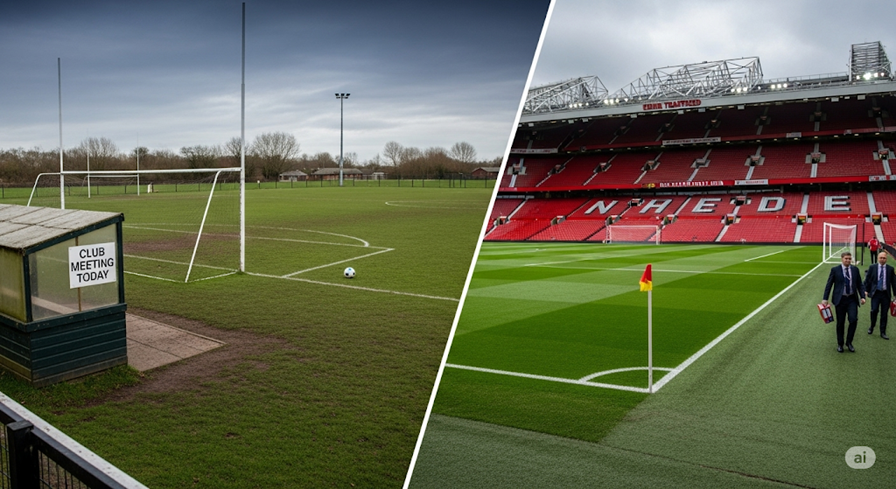
Big football – big money, global audiences, and sporting levels watched by millions. For many small clubs – amateur, youth, or academies – the world of the Premier League, La Liga, or Ekstraklasa seems completely distant. But is it really? Is there no room for inspiration from the football elite at the grassroots level?
The real question: should small clubs learn from the big ones? And if so – what exactly?
1. Work organization – professionalism doesn’t have to cost millions
It’s not about having a 30-person staff, data analysts, and nutritionists in a local club. But it’s worth noting that professional organization doesn’t have to be expensive. Planning, structure, communication, reporting – these can also be implemented in small academies.Big clubs have procedures and systems – that’s why they function smoothly. Small organizations can do the same, at their own scale. And today, it’s easier than ever – thanks to apps that help manage the club without hiring extra staff.
2. Respect for time – of players, coaches, and parents
In professional football, every minute matters – no time is wasted on chaos or miscommunication. In small clubs, time is also a resource – just less visible. Parents waiting for updates, players unsure of training hours, coaches digging through messages… All of this can be simplified – inspired by how communication works in bigger teams.3. Game philosophy and identity
Big clubs have their own style – Ajax develops technical players, Atlético Madrid is built on discipline, Brighton is known for boldly trusting youth. And what about small clubs?It’s worth building a philosophy at the local level – not necessarily copied, but inspired. Even in a U10 team, you can teach building from the back, respecting the ball, courage in dribbling, or being a good teammate.
This not only develops young players but also builds the club’s brand and identity.
4. Education – coaches can grow like Guardiola
Players aren’t the only ones learning on the pitch. Just like in big clubs, coaches should constantly improve – reading, analyzing, learning from others. You don’t need access to Manchester City’s playbook to teach a 1-4-3-3 system or effective fitness drills.Knowledge is more accessible than ever – apps, webinars, podcasts. The football world is open.
5. Winner’s mentality – not results, but attitude
Big football is not only about trophies but also about mentality. About how you think of yourself, your opponent, and your goals. Even in small clubs, kids can be taught values: we fight, we respect, we look to grow. It’s not about “pressure for results” but about building winners in life.Professional football is a mine of inspiration – from playing style to organization to mentality. Small clubs don’t need Real Madrid’s budget to act smart, effective, and passionate. It’s worth taking inspiration from the best and adapting it to your scale.
Sometimes one well-implemented idea is enough to make the club run more smoothly, giving the coach more time for what really matters – developing young players.
Manage your sports club like a pro
Try Team Mate Pro for free and see how easily you can manage your sports club.
Start for free